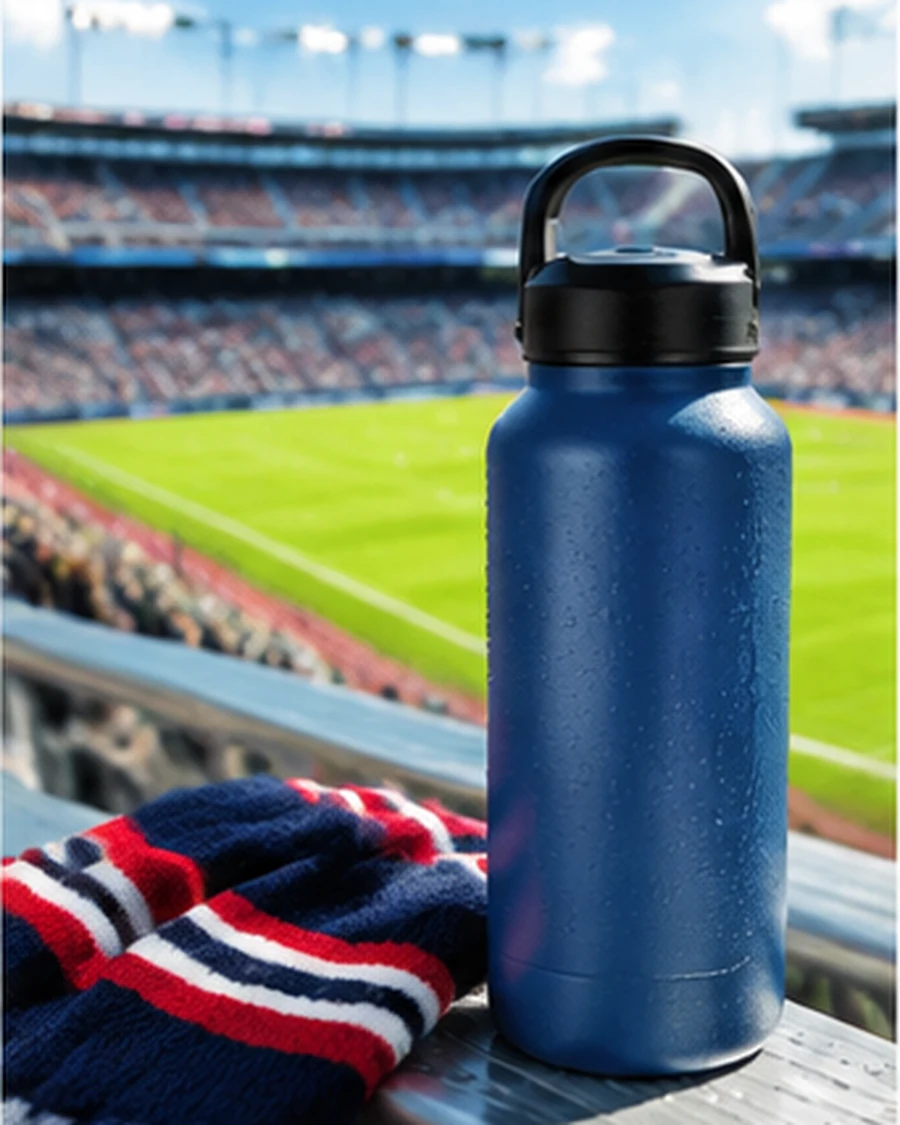
A stadium water bottle should be one the gate allows and you can realistically refill. Because venue policies vary by event, a bottle accepted at a baseball game may be rejected at a concert in the same building. This U.S. buying guide explains how to check the policy, compare reusable and sealed options, and decide whether buying a new bottle is worthwhile.
Table of Contents
1. Choose a stadium water bottle that meets your ticket’s policy
Look up the event by date, venue, and organizer. Start with the official venue entry policy and the organizer’s event page. If the venue hosts several teams and concerts, the organizer might publish separate restrictions for your ticket. Check the wording for the event and for every gate you plan to use. If the date is still months away, save the source and check it again close to the event. A blog comment about what someone brought to a different game is poor evidence of the rules that apply to yours.
Write down four fields: bottle type, material, capacity, and whether the container must be empty or sealed. Then check how many containers are allowed per person, if the policy says. A rule about an empty refillable bottle does not automatically authorize a sealed drink. A rule about a sealed plastic beverage does not automatically authorize a reusable metal bottle. Some venues discuss bottles under outside food and drink. Others list exceptions under security or carry-in rules. When the policy is unclear, use a product description and the ticket details to check with the venue before placing an order.
Read the bag policy separately. A bottle that meets the beverage rule may still need a carrying plan that meets the bag rule. The NFL’s clear-bag policy is about bags and entry screening. Consult the team’s and venue’s own event information for the bottle rule. If your approved bag is small, measure the bottle including its lid and any handle. The labeled capacity tells you how much liquid it holds. It does not tell you that it lies flat in the bag next to your other items.
2. Match the purchase to the wording
| Policy you confirm | First choice | What to double-check |
|---|---|---|
| Empty reusable non-glass bottle allowed | A bottle you own within the stated size limit | Whether metal is allowed, whether the cap counts as a component, and where to refill. |
| Empty clear plastic reusable bottle allowed | A simple clear plastic bottle within the limit | Transparency, nominal capacity, cap rules, and whether you need to carry it outside a bag. |
| Factory-sealed plastic water allowed | A sealed bottle labeled at or below the limit | Allowed number, capacity, whether flavoring is permitted, and whether to leave it unopened until inside. |
| No outside bottles allowed | Plan water access in the venue | Water fountains, concessions, accepted payment, or accessibility procedures if they apply. |
| Special event rules are unclear | Wait to buy a dedicated bottle | Event organizer, current gate policy, and any exceptions confirmed by the venue. |
Keep the exact words that matter. A factory seal is the unopened seal from the manufacturer. Screwing a cap onto a bottle you filled at home will not meet that requirement. An empty-bottle policy means entering with the bottle already empty. Read the bottle’s marked capacity or check its product page. Bringing a partially filled 32-fluid-ounce bottle where the stated limit is 24 fluid ounces does not change the capacity of the container.
As a practical shopping shortcut, put the venue’s limit next to a candidate’s full listed capacity before checking any other features. When a policy lists liters and a bottle lists U.S. fluid ounces, convert first. One liter is about 33.8 U.S. fluid ounces. Twenty-four U.S. fluid ounces are about 710 mL. If the policy gives a strict limit and the labeling is ambiguous, choose a clearly smaller verified option if it otherwise fits the policy. A modest amount of headroom can also make the bottle easier to fit into a small bag.
3. Apply the checklist to actual U.S. venue policies
At Yankee Stadium, the official entry and carry-in page lists an exception for empty reusable water bottles that contain no glass and hold up to 24 ounces. The same page says special requirements can apply to individual events. If you are shopping for a specific game, check the event information alongside that standing rule. A 32-ounce travel bottle you like for everyday use would exceed the listed reusable-bottle capacity even if you brought it empty.
At Dodger Stadium, the official stadium guide describes two paths. Factory-sealed plastic bottles of eligible nonalcoholic drinks can be one liter or smaller. Empty refillable bottles can be one liter or smaller and must have no glass components. Those are separate options with separate conditions. A person bringing sealed water and a person bringing an empty refillable bottle can make different purchases and both start from the same venue page.
These examples were checked November 22, 2026. They show why a single universal stadium water bottle does not exist. Even where both venues have a reusable-bottle option, the stated capacity differs. For someone with tickets at both parks, a clearly rated 20-ounce reusable non-glass bottle might fit the published reusable limits, subject to the event-specific restrictions. For a fan going only to Dodger Stadium and allowed to bring sealed water, buying a reusable bottle just for that game may offer little value if the fan will not use it again.
When reading an unfamiliar policy, imitate this comparison. Put the venue name and your event date at the top of a note. Under that, copy each allowed category into its own line and add its material, size, and fill requirement. This helps you notice if one rule applies only to refillables. Before buying, make sure the line you selected describes what you actually intend to bring to the gate. If you are buying for someone else, send the official page with the bottle suggestion so they can check a later policy change themselves.
4. Choose the design after the gate rules
Start with a bottle you can clean and carry
For a single event on a clear-plastic policy, look at a basic screw-cap design in the accepted size. Check whether the opening fits under the filling point you expect to use and whether you can rinse the cap and interior easily when you get home. If you normally drink through a straw or spout, try opening and closing it with the way you carry the bottle. A lid that is convenient while walking may have more pieces to clean. Read the manufacturer’s cleaning directions for each part, including any removable seal.
Match the bottle to your walk from the entrance and to where you will sit. A narrow base might fit a cup holder, but the diameter and height of stadium holders can vary. If the seller gives dimensions, compare them with your bag and any other place the bottle has to fit. If you have to carry it in your hand because bags are restricted, give weight to the total size and how comfortably you can hold it when taking stairs or carrying concessions.
Compare plastic, metal, and collapsible designs only where allowed
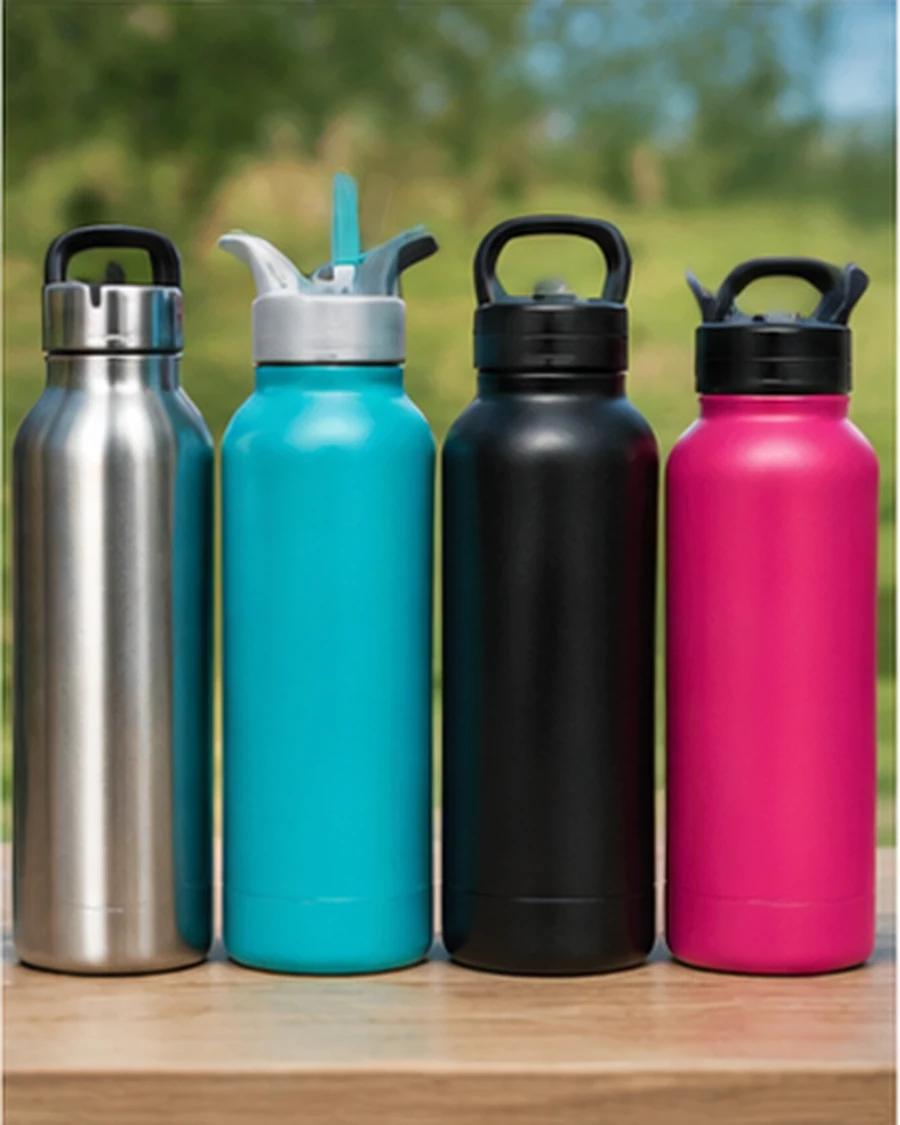
Clear rigid plastic may be a straightforward option when transparency is required. Metal insulation may be helpful for keeping drinks cool during the rest of your week, but an event can ban hard-sided or opaque bottles even when a different venue accepts a reusable type. A collapsible bottle can take less room while empty, but check whether the venue accepts that design and whether you can fill and close it comfortably. Confirm the material and capacity for the exact version you buy, since the same product family can come in several sizes or materials.
Compare the closure to how you will carry the bottle after you fill it. If it will lie beside a ticket wallet or a phone, check the maker’s description of the seal and whether it makes exceptions for certain orientations or temperatures. A display photo with the lid closed does not establish that it stays sealed in your bag. Use an at-home test with ordinary water before packing it with electronics, and follow the return policy if you are evaluating a newly purchased item.
5. Plan refills and compare event-day cost
An empty reusable bottle is most useful when you can refill it without missing something you came to see. Check the official venue map for water fountains or refill stations, then look at where your seats are. If you cannot find a station on the map, ask guest services whether one is available near your section. Consider how long you will be inside, whether you can leave and reenter, and whether you will have access to a concession selling water. A larger permitted bottle can mean fewer trips to refill, but only if you can comfortably carry and store it.
Compare dollars across the events where a bottle will actually be allowed. Suppose a compliant reusable bottle costs an illustrative $15 and an eligible sealed bottle would cost $2 per event. With free refills and no additional costs, seven sealed bottles total $14 and eight total $16, so the reusable bottle first costs less at the eighth event. If you already own an eligible bottle, the new purchase can be avoided. If the next few venues only allow sealed bottles, remove those visits from the reusable bottle comparison or count them separately. These are USD examples, not venue prices or live retail offers.
Include seller and delivery conditions if you are buying online. A $12 bottle with $5 shipping costs $17 before any taxes. Compare that with a $15 bottle you can pick up on your way, while accounting for any extra trip. If you are traveling for the game, confirm the item can actually get to you before the day of the event. A strict return deadline or a customized lid may affect your options if it does not fit the venue’s policy. The checkout amount and the risk of ending up with a disallowed bottle matter more than the advertised sale percentage.
6. Use these three event scenarios to decide
A season-ticket holder with a 32-ounce insulated bottle
Suppose your favorite bottle is a large insulated model and the venue permits only empty reusable bottles up to 24 ounces. Keep your usual bottle for other outings and check whether you already own a smaller compliant one. If you buy, pick the smallest practical design that you would use at several games. Check the refill location and how easy the smaller bottle is to carry. Paying extra for insulation makes sense only if the venue allows its material and you value the feature often enough to carry it.
Two visitors attending one baseball game
Suppose the venue allows factory-sealed water in a stated size and you will only attend one game. Confirm the seal and the size, and check any limit on the number of bottles before buying on the way. Keep the bottle unopened as required. If you also have an empty reusable option, compare how much time it would take to fill it against the convenience of arriving with approved sealed water. If your route to the stadium includes security checks elsewhere, handle those requirements separately.
A parent taking children to multiple venues
Suppose children use small refillable bottles at one venue, but your next event has different rules. Write a separate entry for each venue in your calendar rather than assuming the same bottle works everywhere. If you buy two identical bottles to simplify packing, verify that both actually satisfy the venue your family visits most. Label the bottles discreetly if that helps family members identify them. Choose a separate compliant solution for any event where those bottles are not admitted. Check where the nearest water source is once you have your seat location.
A visitor who has to pack the night before
Suppose tomorrow’s event is in another city and a local store offers a bottle that meets the venue’s written rule. Before buying it, check what you already have in your luggage and whether the bottle needs to fit under a seat or in an approved bag. Record the allowed capacity and material in your packing note. If you bought sealed water for the gate, carry a separate plan for anything you intend to drink before arriving.
If the organizer changes its rule, make the decision again with the new information. A low-cost reusable bottle only saves money if you can keep using it after the policy changes. For a one-time event, prioritize a dependable gate-to-seat plan and avoid paying for an accessory that will stay in a drawer afterward.
See the Winomax Sports & Outdoors buying guides if your trip also includes a separate practice session and you need gear for that field.
7. Frequently asked questions
Can stadium security accept a bottle that is bigger but empty?
Use the published capacity limit even when empty bottles are permitted. Staff must apply the event rules. Choose a bottle with clear capacity markings or keep the product specifications accessible if the size is not obvious.
Do all games and concerts in a stadium have the same rules?
Event organizers can publish additional requirements. Check the event information alongside the standing venue policy. If your main source describes a team’s home games and your ticket is for a concert or tournament, look for a page that names your event before shopping.
What if I need a bottle or drink for an accessibility reason?
Contact the venue’s official accessibility or guest services team in advance. Explain what you need to bring and check how they handle the request, including which gate to use and any required information. Plan with the venue for the specific event instead of relying on another attendee’s experience.
What should I buy if the rule only says no glass?
Read the rest of the policy before buying. It may still limit capacity, materials, quantity, or whether the container needs to arrive empty or sealed. Ask the venue when a separate condition is unclear. Buy whichever allowed bottle works for your ordinary use when the event is over.
Our verdict
Start with the exact event rule and the water available once inside. Use an eligible bottle from home when the venue allows empty refillables. Buy factory-sealed water if that is the allowed category that fits your visit. If you need a reusable bottle for repeat visits, compare capacity and material first, then lid design and checkout cost. Think twice about buying a new bottle for a single event when you do not have a confirmed way to bring it in or refill it.